Minor Fractures: Your Guide to Quick, Effective Care

Traveling is an exhilarating experience, but unexpected health issues can quickly turn a dream vacation into a stressful ordeal. One common yet often overlooked issue that can arise is a minor fracture. Whether you’re hiking through rugged terrains, engaging in adventurous sports, or simply navigating unfamiliar surroundings, accidents can happen. At Vacation Medicine, we understand the unique challenges travelers face and are here to provide fast, personalized virtual urgent care for all your travel-related health needs, including minor fractures.
Vacation Banner

What is a Minor Fracture?

A minor fracture, often referred to as a hairline fracture or stress fracture, is a small crack in a bone. Unlike major fractures that involve a complete break, minor fractures are typically less severe but can still cause significant discomfort and require proper care to heal effectively. These fractures are common in weight-bearing bones such as the tibia, fibula, and metatarsals in the feet.

Using in-person, in-home, or telemedicine visits, our experienced providers offer accurate diagnosis and same-day relief for respiratory and flu-like conditions.

What Causes Minor Fractures?

Minor fractures can result from various activities and conditions, especially when traveling:

  • Overuse and Repetitive Motion: Activities like hiking, running, or walking long distances can put repetitive stress on bones, leading to minor fractures.
  • Sudden Impact or Trauma: Accidents such as falls, slips, or collisions can cause a minor fracture.
  • Weak Bones: Conditions like osteoporosis can make bones more susceptible to fractures, even with minimal stress.
  • Improper Footwear: Wearing shoes that don’t provide adequate support can increase the risk of stress fractures, particularly in the feet.

What Symptoms Will I Experience with a Minor Fracture?

Recognizing the symptoms of a minor fracture is crucial for seeking timely care. Common symptoms include:

  • Pain: Persistent pain at the site of the fracture, especially when bearing weight or during activity.
  • Swelling: Swelling around the affected area, which may be accompanied by bruising.
  • Tenderness: The area may be tender to the touch.
  • Reduced Mobility: Difficulty moving the affected limb or bearing weight on it.
  • Visible Deformity: In some cases, a minor fracture may cause a slight deformity or abnormal appearance.

What Should I Try at Home Before Seeing a Provider for a Minor Fracture?

Before seeking professional medical advice, there are several steps you can take at home to manage a minor fracture:

  • Rest: Avoid putting weight on the affected area to prevent further injury.
  • Ice: Apply ice packs to the area to reduce swelling and alleviate pain. Use ice for 20 minutes every hour.
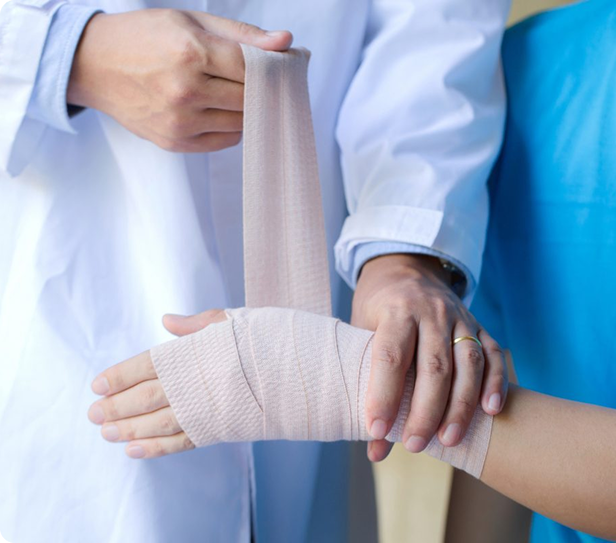
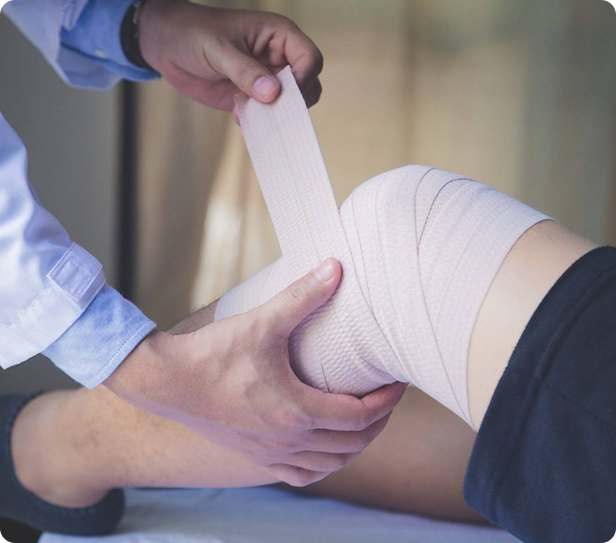
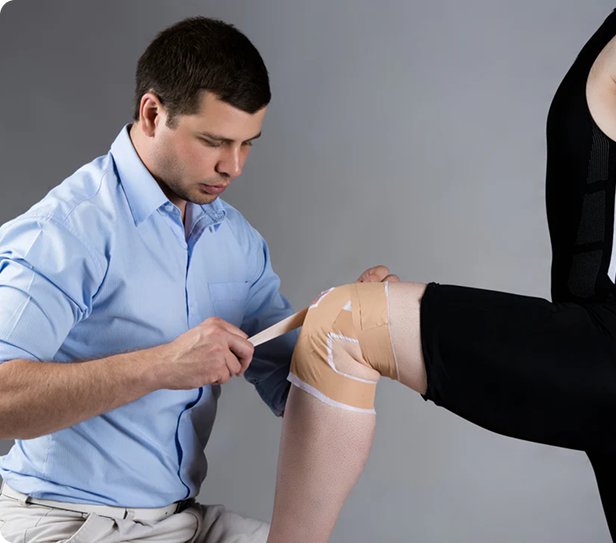
  • Compression: Wrap the area with an elastic bandage to provide support and reduce swelling.
  • Elevation: Elevate the injured limb above heart level to minimize swelling.
  • Over-the-Counter Pain Relief: Use over-the-counter pain relievers like ibuprofen or acetaminophen to manage pain.

Best Treatment Options for Minor Fractures

While home care can provide initial relief, professional medical evaluation and treatment are essential for proper healing. At Vacation Medicine, we offer comprehensive virtual urgent care services tailored to your needs:

  • Diagnosis: Our expert providers will assess your symptoms and medical history through a video call. If necessary, they may recommend imaging tests such as X-rays to confirm the diagnosis.
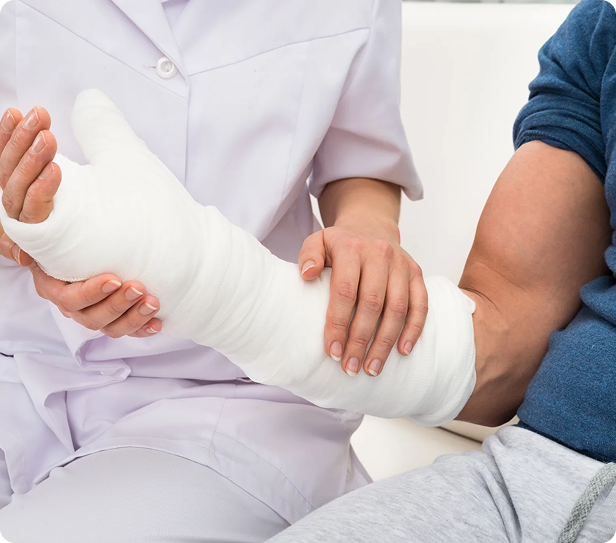
  • Immobilization: Depending on the location and severity of the fracture, immobilization with a splint, brace, or cast may be recommended to ensure proper healing.
  • Pain Management: We will provide guidance on effective pain management strategies, including medications and lifestyle adjustments.
  • Follow-Up Care: Regular follow-up appointments will be scheduled to monitor your progress and make any necessary adjustments to your treatment plan.
  • Rehabilitation: Once the fracture has healed, we may recommend physical therapy exercises to restore strength and mobility to the affected area.

Our Process for Treating Minor Fractures

At Vacation Medicine, we prioritize your health and convenience. Here’s how our process works:

  • Initial Consultation: Schedule a virtual appointment with one of our experienced providers. During the consultation, you can discuss your symptoms, and our provider will guide you through a thorough assessment.
  • Imaging and Diagnosis: If imaging is required, we will help you find a local facility for X-rays or other necessary tests. Once the results are available, our provider will review them with you.
  • Personalized Treatment Plan: Based on the diagnosis, we will create a customized treatment plan that may include immobilization, pain management, and follow-up care.
  • Ongoing Support: Our team is available for follow-up consultations to ensure your recovery is on track. We provide continuous support and adjustments to your treatment plan as needed.
  • Rehabilitation Guidance: Once you’re on the path to recovery, we offer guidance on rehabilitation exercises to help you regain full function and prevent future injuries. 

Traveling should be a time of joy and exploration, not stress and discomfort. At Vacation Medicine, we are committed to providing fast, personalized virtual urgent care for travelers, ensuring you receive the best possible care no matter where your journey takes you. Whether you’re dealing with a minor fracture or any other health concern, our expert providers are just a video call away, ready to offer peace of mind and trusted medical support anytime, anywhere.

For more information on how we can assist you during your travels, explore our range of services and discover how Vacation Medicine is redefining travel healthcare.