Understanding Conjunctivitis

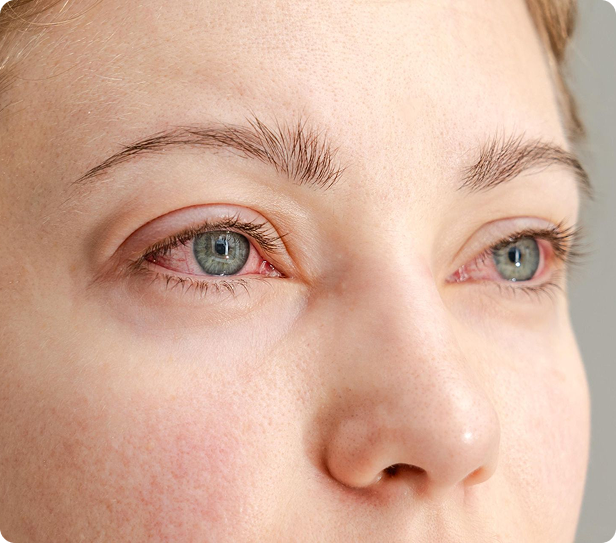
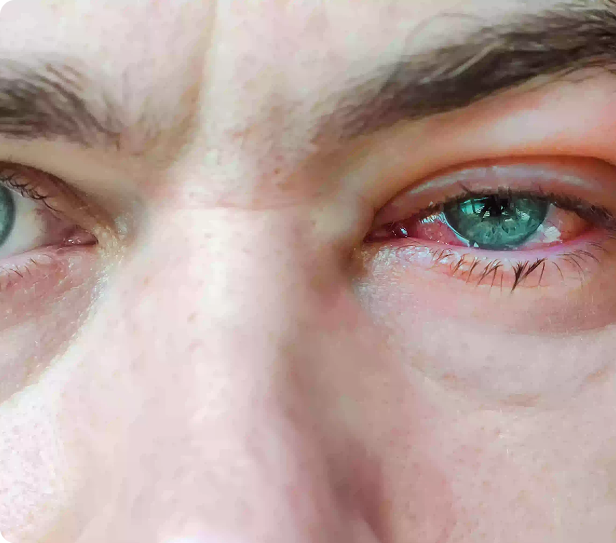
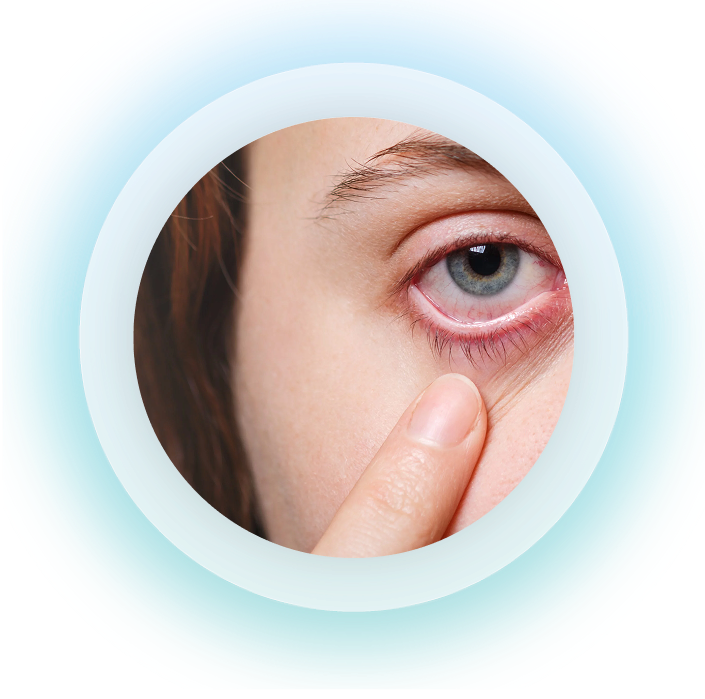
Conjunctivitis, commonly known as “pink eye,” is an inflammation or infection of the conjunctiva, the transparent membrane that lines your eyelid and covers the white part of your eyeball. This condition can cause your eyes to appear red or pink, hence the nickname. Conjunctivitis can be highly contagious, making it a concern for travelers who are often in close quarters with others.

What Causes Conjunctivitis?

Conjunctivitis can be caused by several factors, including:

  • Viral Infections: Often linked to the common cold, viral conjunctivitis is highly contagious and can spread easily through direct or indirect contact with an infected person.
  • Bacterial Infections: Bacterial conjunctivitis is also highly contagious and can be caused by various bacteria, including Staphylococcus aureus and Streptococcus pneumoniae.
  • Allergies: Allergic conjunctivitis is not contagious and is triggered by allergens such as pollen, dust mites, or pet dander.
  • Irritants: Exposure to irritants like smoke, chlorine in swimming pools, or foreign objects can also cause conjunctivitis.

What Symptoms Will I Experience with Conjunctivitis?

The symptoms of conjunctivitis can vary depending on the cause but generally include:

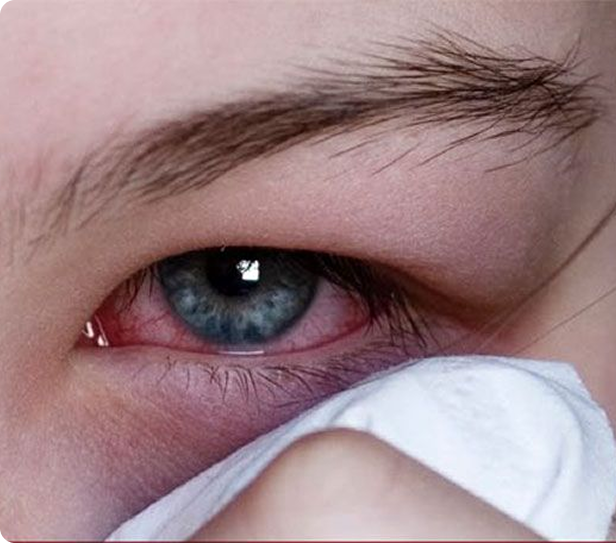
  • Red or pink appearance in one or both eyes
  • Itchiness or a gritty feeling in the eyes
  • Watery or thick discharge that forms a crust during sleep
  • Increased tear production
  • Swollen eyelids
  • Sensitivity to light

What Should I Try at Home Before Seeing a Provider for Conjunctivitis?

If you suspect you have conjunctivitis while traveling, there are several steps you can take at home to alleviate symptoms:

  • Maintain Good Hygiene: Wash your hands frequently and avoid touching your eyes to prevent the spread of infection.
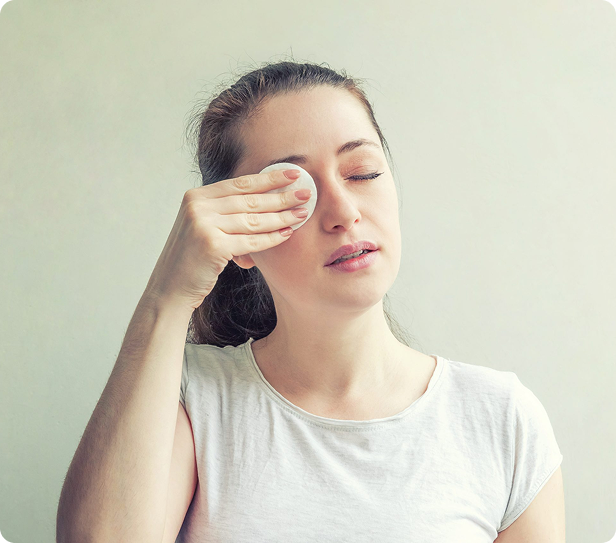
  • Use Warm or Cold Compresses: Apply a warm compress to the affected eye to soothe irritation or a cold compress to reduce swelling.
  • Avoid Contact Lenses: If you wear contact lenses, switch to glasses until your symptoms resolve to prevent further irritation.
  • Over-the-Counter Eye Drops: Lubricating eye drops can help relieve dryness and discomfort. For allergic conjunctivitis, antihistamine eye drops may be beneficial.
  • Avoid Sharing Personal Items: Do not share towels, pillowcases, or makeup to prevent spreading the infection to others.

Best Treatment Options for Conjunctivitis

The treatment for conjunctivitis will depend on its cause:

  • Viral Conjunctivitis: This type usually resolves on its own within a week or two. Over-the-counter lubricating eye drops and warm compresses can help alleviate symptoms.
  • Bacterial Conjunctivitis: Antibiotic eye drops or ointments are typically prescribed to eliminate the infection. Improvement is often seen within a few days of starting treatment.
  • Allergic Conjunctivitis: Avoiding allergens and using antihistamine eye drops or oral medications can help manage symptoms.
  • Irritant-Induced Conjunctivitis: Rinse the eyes with water or saline solution to remove the irritant. Avoid further exposure to the irritant.

Our Process for Treating Conjunctivitis

At Vacation Medicine, we understand that dealing with conjunctivitis while traveling can be stressful. Our expert providers are just a video call away, ready to offer personalized care and guidance wherever you are. Here’s how we can help:

  • Virtual Consultation: Schedule a video call with one of our experienced healthcare providers. They will assess your symptoms, review your medical history, and determine the cause of your conjunctivitis.
  • Personalized Treatment Plan: Based on the diagnosis, our provider will recommend the appropriate treatment. This may include prescribing antibiotic eye drops for bacterial conjunctivitis or suggesting over-the-counter remedies for viral or allergic conjunctivitis.
  • Follow-Up Care: We offer follow-up consultations to monitor your progress and adjust your treatment plan if necessary. Our goal is to ensure you receive the best care without disrupting your travel plans.